
- posted: Feb. 26, 2026
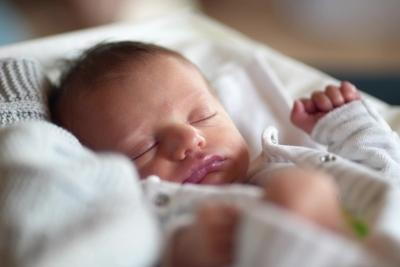
Bringing a new baby home is a monumental transition, and understanding their sleep behavior is necessary for effective newborn care. Unlike adults, newborns do not have a circadian rhythm. Their sleep is dictated entirely by their small stomachs and the need for frequent feedings. At Centennial Pediatrics in Las Vegas, Dr. Michael C. Tenby, MD, FAAP, Dr. Jane Fung, DO, and Bonnie V. Tafoya, APRN, NP-C, help parents understand that it is normal for babies to sleep between 16 and 18 hours a day, typically in short bursts of two to four hours.
The Science of Sleep Cycles
A significant portion of a newborn's rest is spent in REM (Rapid Eye Movement) sleep. This is why you may notice your baby twitching, making faces, or even breathing irregularly while they snooze. This active sleep stage is critical for brain development and processing the new information they encounter during their waking minutes. Because their sleep cycles are much shorter than an adult's, newborns transition to a light sleep state frequently, which makes them easily startled by loud noises or sudden movements.
Establishing the ABCs of Safe Sleep
Safety is the highest priority in newborn care, especially when it comes to the sleeping environment. The American Academy of Pediatrics recommends following the ABCs of safe sleep to reduce the risk of Sudden Infant Death Syndrome (SIDS). A stands for Alone; your baby should not share a bed with parents, siblings, or pets. B stands for Back; infants must always be placed on their backs to sleep, as this keeps their airway clear. C stands for Crib; babies should sleep in a safety-approved crib, bassinet, or play yard with a firm, flat mattress.
Creating a Hazards-Free Environment
While it is tempting to decorate a nursery with soft blankets, pillows, and stuffed animals, these items pose a significant suffocation risk. A safe sleep space should be completely bare, containing only a fitted sheet. If you are concerned about your baby staying warm, we recommend using a wearable blanket or sleep sack instead of loose covers. Additionally, keeping the room at a comfortable temperature, typically between 68 and 72 degrees Fahrenheit, prevents overheating, which is another known risk factor for sleep-related complications.
Supporting Your Family at Centennial Pediatrics
The early weeks of parenthood are demanding, and our team is here to provide the clinical guidance you need to ensure your baby thrives. During your initial newborn care visits at our Las Vegas office, we discuss sleep milestones, feeding schedules, and how to encourage healthy habits as your child grows. If you have questions about your baby’s breathing patterns or difficulty settling them at night, we are ready to offer the professional support and peace of mind your family deserves. To schedule an appointment, call us at (702) 897-6000.
Our Location
Office Hours
Phone lines open at 8:00 AM*
8:30 am - 4:30 pm
8:30 am - 4:30 pm
8:30 am - 4:30 pm
8:30 am - 4:30 pm
8:30 am - 3:30 pm
Closed
Closed